Darjeeling Village Walk
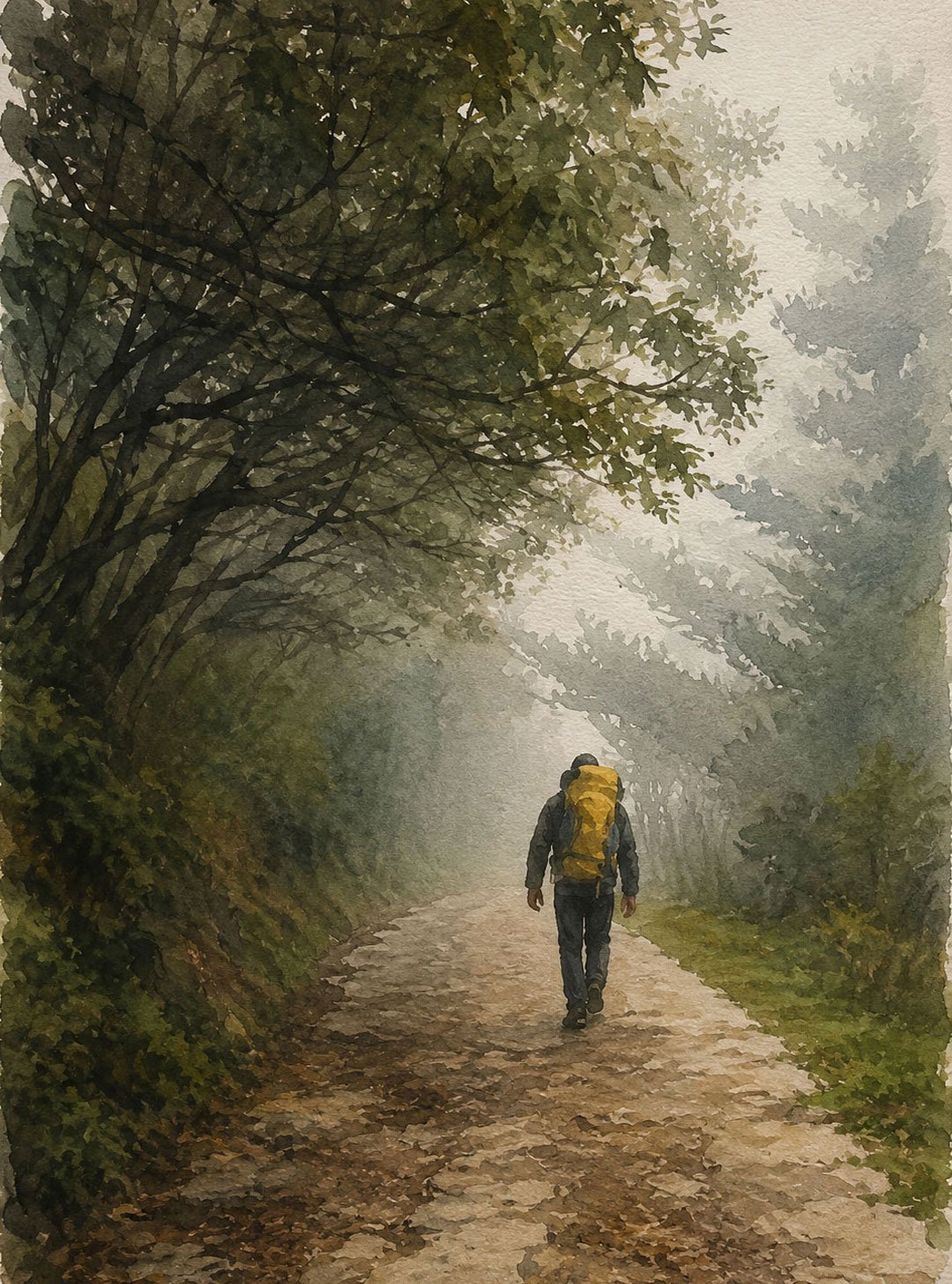
Walking Tour in Villages near Darjeeling
The charm of Darjeeling lies not just in its iconic town but also in its serene villages. Nestled amidst rolling tea gardens and vibrant hillside communities, these villages embody the true essence of the region. Escape the hustle and bustle of Darjeeling and immerse yourself in the tranquil beauty of its surrounding countryside with our thoughtfully curated village walks. These experiences let you delve into the cultural richness, breathtaking landscapes, and heartfelt hospitality that define rural Darjeeling.
The People of the Hills
The hill communities of Darjeeling are a fascinating blend of ethnic diversity. While collectively known as “Gurkhas,” the residents represent at least four distinct groups:
Lepchas – Considered the original inhabitants of the region, Lepchas have their unique language, literature, culture, and traditions.
Nepali Settlers – Migrants from Nepal have settled in Darjeeling for centuries, and the community continues to thrive. Nepali culture is diverse, comprising numerous sub-tribes.
Tibetan Immigrants – Following China’s occupation of Tibet, many Tibetans (locally called Bhutias) migrated to the hills, bringing along their rich heritage of spirituality and art.
Plains People – Communities from the plains, including Bengalis, Biharis, and Marwaris, have called Darjeeling home for generations.
Walks around Darjeeling Villages
We organise a variety of village walks in and around Darjeeling. The following is the description of one of the popular village walks around Darjeeling. It’s called the Rung Dung walk. Similar hikes are also organised for interested visitors.
The Rung Dung Walk: A Village Walk from Darjeeling to Rangaroon
Most visitors experience Darjeeling from viewpoints, cafés and the busy streets around Chowrasta. While these places reveal much about the town’s history and atmosphere, they represent only a small part of life in the Eastern Himalayas.
Just beyond the town, the landscape changes rapidly. Roads become quieter, forests replace buildings, tea gardens spread across the hillsides, and villages continue rhythms of life that have remained remarkably unchanged for generations.
Our Rung Dung Walk is designed for travellers who wish to experience this quieter side of Darjeeling.
Rather than driving from one attraction to another, we leave the town on foot and follow one of the most enjoyable walking routes into the surrounding countryside. The journey gradually descends from Darjeeling through old hillside neighbourhoods and traditional villages before entering temperate forests, crossing the lively Rung Dung Khola and climbing once again through tea gardens to the village of Rangaroon.
It is a journey through changing landscapes rather than a race to reach a destination.
Along the way, there is time to observe birds, discover native plants, understand the history of Darjeeling’s tea gardens, meet residents and simply appreciate the slower pace of mountain life.
This is not a demanding Himalayan trek, nor is it a conventional sightseeing excursion. It is a carefully planned day walk that introduces visitors to the landscapes, communities and natural history that define the Darjeeling Hills.
At the end of the walk, our vehicle meets the group at Rangaroon for a comfortable drive back to Darjeeling, allowing you to enjoy the entire route without retracing your steps.
22 Years Experience
5 Star Rating
Quick Turnaround
Dedicated Support
Distance, Terrain and Difficulty
Duration: Full day
Walking Distance: Approximately 12–14 km (depending on the chosen route)
Starting Altitude: Darjeeling – approximately 2,045 metres
Lowest Point: Rung Dung Khola – approximately 1,450 metres
Ending Altitude: Rangaroon – approximately 1,700 metres
Difficulty: Moderate
Why Choose Darjeeling Village Walks?
Authentic Cultural Immersion:
Step away from the typical tourist paths and engage deeply with the culture of Darjeeling. Meet the locals, visit traditional homes, and experience age-old customs. The chance to learn from villagers about their daily lives, traditions, and crafts adds a unique richness to your journey.
Breathtaking Landscapes:
As you walk through lush tea gardens, terraced farms, and dense forests, you’ll be treated to some of the most picturesque views of the Himalayas. These trails reveal the hidden beauty of Darjeeling’s countryside, far removed from the hustle of the town.
Expert Local Guides:
Our guides are locals who have grown up in these villages. Their deep connection to the land, combined with their knowledge of local history, folklore, and nature, ensures you get an enriching experience. They will share insights that go beyond the surface, offering a genuine glimpse into village life.
Meaningful Community Interaction:
Our village walks are as much about the people as they are about the landscapes. You’ll interact with villagers who are eager to share their stories, skills, and hospitality. Learn about traditional crafts, local farming practices, and the community’s strong relationship with nature.
Tailor-Made for You:
Whether you’re seeking a relaxing stroll or a more adventurous trek, we offer customizable tours that match your fitness level and interests. From culinary journeys to cultural immersion, our walks are designed to suit the needs of every traveler.
The Rung Dung Walk
Known locally as the Rung Dung Walk, this route has long connected Darjeeling with the tea-growing villages lying below the town. Although improved roads now provide vehicle access to many parts of the region, walking remains the most rewarding way to experience the landscape.
The route combines heritage, forests, village life and tea gardens within a single day, making it one of our favourite walking experiences near Darjeeling.
Unlike many popular viewpoints that become busy during the tourist season, the Rung Dung Walk quickly leaves the crowds behind. Within a short distance of Chowrasta, the atmosphere becomes noticeably quieter, replacing shops and traffic with residential neighbourhoods, forest paths and rural landscapes.
Because the walk descends into one valley before climbing into another, it offers constantly changing perspectives of the surrounding hills. The scenery evolves naturally throughout the day rather than remaining the same from beginning to end.
The route also illustrates how closely Darjeeling’s natural and cultural landscapes are connected. Forests protect the watersheds that feed mountain streams, tea gardens support long-established communities, and villages continue traditions shaped by generations of life in the Himalayas.
For travellers interested in experiencing the region rather than simply visiting it, the Rung Dung Walk offers a rewarding introduction to Darjeeling’s quieter side.
From Chowrasta to Rangaroon: The Journey
The walk begins at Chowrasta, the historic heart of Darjeeling. In the early morning, before the town becomes busy, there is a quiet energy in the air as residents begin their day and the first sunlight reaches the surrounding hills.
Leaving the Mall behind, we descend along Dr Zakir Husain Road, passing schools, churches and old hillside homes that reflect Darjeeling’s layered history. The bustle of the town gradually fades as the road winds through quieter neighbourhoods where everyday life unfolds at a gentler pace.
The route continues through Tung Soong, one of Darjeeling’s oldest settlements. Here the streets become narrower, gardens spill over stone walls and the landscape begins to open towards the valleys below. On clear mornings, the higher ridges of the Himalayas occasionally appear between the trees, while colourful houses cling to the steep slopes.
Beyond Tung Soong lies Pandam Busty, where the transition from town to countryside becomes complete. Village lanes gradually give way to forest trails, and the sounds of traffic are replaced by flowing water, birdsong and the rustle of leaves beneath the trees.
Descending through this beautiful temperate forest, we eventually reach Rung Dung Khola, a mountain stream flowing through the valley below. Crossing the stream marks the halfway point of the day’s journey and offers a welcome opportunity to pause beside the water before beginning the gradual climb towards Rangaroon.
The ascent follows shaded woodland paths where broadleaf trees, ferns, mosses and seasonal wildflowers thrive in the cool Himalayan climate. Depending on the season and the group’s quietness, a variety of forest birds may be heard or occasionally seen moving through the canopy.
As altitude is gained, the woodland slowly opens into tea gardens. The transformation is gradual but unmistakable. Neatly maintained tea bushes spread across the hillsides, estate roads wind through the plantations and small settlements begin to appear once again.
The final section of the walk leads through this classic Darjeeling tea landscape before arriving at Rangaroon, a peaceful tea-growing village where visitors can relax, enjoy refreshments and reflect on a day spent exploring the hills at walking pace.
Our vehicle will be waiting at Rangaroon to drive you comfortably back to Darjeeling, completing a journey that reveals just how diverse the landscape becomes within a few hours’ walk from the town.
Through the Forests of the Darjeeling Hills
One of the defining features of the Rung Dung Walk is the opportunity to spend time in the broadleaf forests that cloak the hills below Darjeeling. Although many visitors associate the region with tea gardens, these forests are equally important, supporting a rich diversity of plants and wildlife while protecting the watersheds that supply water to the surrounding villages.
The descent from Pandam Busty marks a noticeable change in the landscape. As the trail leaves the built-up areas behind, it enters cool, shaded woodland where the canopy softens the light and the sounds of the town fade away. The path winds beneath oak, chestnut, laurel, magnolia and other native Himalayan trees, their trunks often draped with mosses, lichens and ferns that flourish in the region’s moist climate.
The forest is constantly changing with the seasons. Spring brings fresh foliage and flowering shrubs, while the monsoon transforms the woodland into an intensely green landscape. In autumn, clear skies and crisp air offer long views through the trees, and winter reveals the intricate structure of the forest when many deciduous species shed their leaves.
Walking through this woodland is not simply a means of reaching Rangaroon. It is an opportunity to appreciate one of the Eastern Himalayas’ most important ecosystems and to understand how closely forests, streams, wildlife and village life are connected.
Crossing the Rung Dung Khola
At the bottom of the valley, the trail reaches Rung Dung Khola, a mountain stream that lends its name to the walk.
Fed by springs and seasonal rainfall, the stream flows through a narrow forested valley before joining larger river systems lower down the hills. Depending on the season, it may be a lively torrent after the monsoon or a clear, gently flowing stream during the drier months.
The crossing naturally becomes a place to pause. The cool air rising from the water, the sound of the stream over boulders and the surrounding forest create a striking contrast with the busy streets left behind earlier in the day.
For generations, streams such as the Rung Dung Khola have shaped life in these mountains, providing water for villages, sustaining forests and influencing where people have settled. They also form valuable wildlife corridors, supporting birds, amphibians and countless smaller species that thrive in these moist environments.
Crossing the stream marks the beginning of the gradual climb towards Rangaroon and a new chapter in the day’s journey.
Climbing into the Tea Country
Beyond the stream, the path ascends steadily through forest before the first tea bushes begin to appear along the hillside.
This transition from woodland to cultivated landscape is one of the most memorable moments of the walk. Dense forest gives way to carefully maintained tea gardens that follow the contours of the mountains with remarkable precision.
Tea has shaped the Darjeeling hills for more than 170 years, influencing not only the landscape but also the communities, economy and culture of the region. Walking through these estates offers a perspective that cannot be gained from roadside viewpoints.
The pace of life here follows the rhythm of the seasons. During the harvesting months, experienced tea pluckers move methodically through the bushes, selecting only the youngest leaves and buds. Estate roads connect villages, schools and factories, while the gardens themselves provide habitat for numerous birds and butterflies.
As we walk, we discuss the history of tea in Darjeeling, the influence of altitude and climate on flavour, the different harvesting seasons and the continuing importance of tea cultivation to the local economy.
Rather than seeing tea as a scenic backdrop, visitors gain an appreciation of the knowledge, skill and effort that lie behind every harvest.
Rangaroon: A Tea-Village
The walk concludes at Rangaroon, a peaceful village set amongst rolling tea gardens and forested hills.
Unlike destinations created specifically for tourism, Rangaroon remains a working rural community. Tea cultivation, small-scale farming and everyday village life continue much as they have for generations.
Walking through the village offers opportunities to observe the details that define mountain life: neatly tended kitchen gardens, traditional homes built to suit the steep terrain, village paths linking scattered neighbourhoods and the quiet routines of daily life.
Depending on the season, nearby fields may be planted with vegetables, maize or other crops that supplement household incomes. Small village shops provide meeting places where neighbours exchange news, while children returning from school often bring a lively energy to the afternoon.
The surrounding tea gardens provide a fitting setting in which to end the walk. After spending the day gradually moving from town to countryside, Rangaroon offers a chance to pause, enjoy refreshments and reflect on the landscapes experienced along the way before returning to Darjeeling by road.
Wildlife Along the Route
Although the Rung Dung Walk is not designed as a dedicated wildlife tour, it passes through habitats that support a remarkable variety of Himalayan species.
The combination of broadleaf forest, streams, secondary woodland, tea gardens and village edges creates a mosaic of habitats that attracts many birds throughout the year.
Among the species that may be encountered are laughingthrushes, bulbuls, yuhinas, sibias, drongos, minivets, flycatchers, woodpeckers and sunbirds. Mixed feeding flocks are often active in the forest canopy, particularly during the cooler months, while raptors occasionally soar above the valleys on rising air currents.
Butterflies are especially noticeable during spring and summer, when flowering shrubs provide abundant nectar. Numerous moths, beetles and other insects also play important roles in the forest ecosystem, although they often go unnoticed.
Larger mammals such as the barking deer (Muntiacus muntjak), Himalayan black bear (Ursus thibetanus laniger) and leopard (Panthera pardus fusca) are known to inhabit parts of the surrounding forests, but they are elusive and rarely seen during daytime walks. Their presence is more often indicated by tracks, droppings or information shared by local residents.
Wildlife sightings depend on many factors, including weather, season, time of day and the quietness of the group. While no species can ever be guaranteed, attentive walkers are often rewarded by the richness of the forest’s smaller inhabitants.
Duration
The Rung Dung Walk is designed as a full-day experience, allowing ample time to appreciate the journey rather than simply complete the route.
Most walks begin after breakfast in Darjeeling and conclude in the late afternoon. The pace is relaxed, with regular stops for photography, birdwatching, refreshments and conversations about the landscape, local history and village life.
Although the walking distance is moderate, the experience is intentionally unhurried. We encourage travellers to pause, observe and enjoy the surroundings rather than focus on covering distance.
Best Time for the Rung Dung Walk
The Rung Dung Walk can be enjoyed throughout the year, and each season offers a different experience. Spring brings fresh foliage, flowering plants and increased bird activity, making it particularly rewarding for nature enthusiasts. During the monsoon, the forests become exceptionally lush, mountain streams flow strongly and drifting mist lends the landscape a quiet, atmospheric character, although the trails can be slippery after heavy rain. Many walkers prefer the months from October to December, when the weather is generally stable, the tea gardens are at their greenest after the rains and clear mornings often provide expansive views across the surrounding hills. Winter, from December to February, is cooler but usually dry and uncrowded, with crisp air and excellent visibility on clear days. Whatever the season, comfortable walking shoes and clothing suitable for changing mountain weather will help you enjoy the walk.
Frequently Asked Questions
Do we walk back to Darjeeling?
No. The walk finishes at Rangaroon, where one of our vehicles will be waiting to drive you back to your accommodation in Darjeeling. This allows you to experience a varied point-to-point route without retracing your steps.
Is previous hiking experience necessary?
No previous trekking experience is required. The walk includes uneven ground and moderate uphill and downhill sections, but it is suitable for anyone with a reasonable level of fitness.
Will we see wildlife?
The forests along the route support a variety of birds, butterflies and mammals. However, wildlife sightings depend on factors such as season, weather and the quietness of the group. No sightings can ever be guaranteed.
Can children join the walk?
Yes. Families with older children who enjoy walking generally find the route rewarding. We are happy to advise whether the walk is suitable based on the age and experience of your group.
Explore the Darjeeling Hills at Walking Pace
The Rung Dung Walk is more than a route between Darjeeling and Rangaroon. It is an opportunity to understand how the landscape, forests, tea gardens and villages are connected, and how generations of people have lived within these mountains.
By the time you reach Rangaroon, you will have experienced a remarkable variety of landscapes within a single day—from the historic streets of Darjeeling to shaded forests, mountain streams, working tea estates and welcoming rural communities.
Walking allows these transitions to unfold naturally, revealing details that are often missed when travelling by road.
If you are looking for a deeper understanding of the Darjeeling Himalaya rather than simply visiting its attractions, the Rung Dung Walk offers one of the most rewarding introductions to the region.
Plan Your Walk with Darjeeling Walks
Whether you are interested in village life, tea gardens, photography, birdwatching or simply spending a day walking through the Himalayan countryside, we can help you plan a walk that matches your pace and expectations.
If you have questions about the route, the best season to visit, or combining the Rung Dung Walk with other walking experiences in the Darjeeling Hills, we’d be delighted to help.
Please get in touch to discuss your plans.
Phone: +91 9733000590
Or simply complete the enquiry form below, and we’ll respond with personalised advice to help you make the most of your time in the Eastern Himalayas.