Stories from
Darjeeling Hills
Every place has stories to tell. Some are preserved in history books, some live in the memories of local communities, and others survive in the names of villages, the traditions of their people or the everyday sights of a mountain town. The Eastern Himalayas are particularly rich in such stories, shaped by centuries of migration, trade, cultural exchange and encounters between people and the landscape. Through this collection, we invite you to look beyond the familiar views of Darjeeling, Kalimpong, Sikkim and the surrounding hills, and discover the stories that give these places their character. Because understanding a place is not simply seeing it, but knowing something of the lives, events, and traditions that have shaped it.
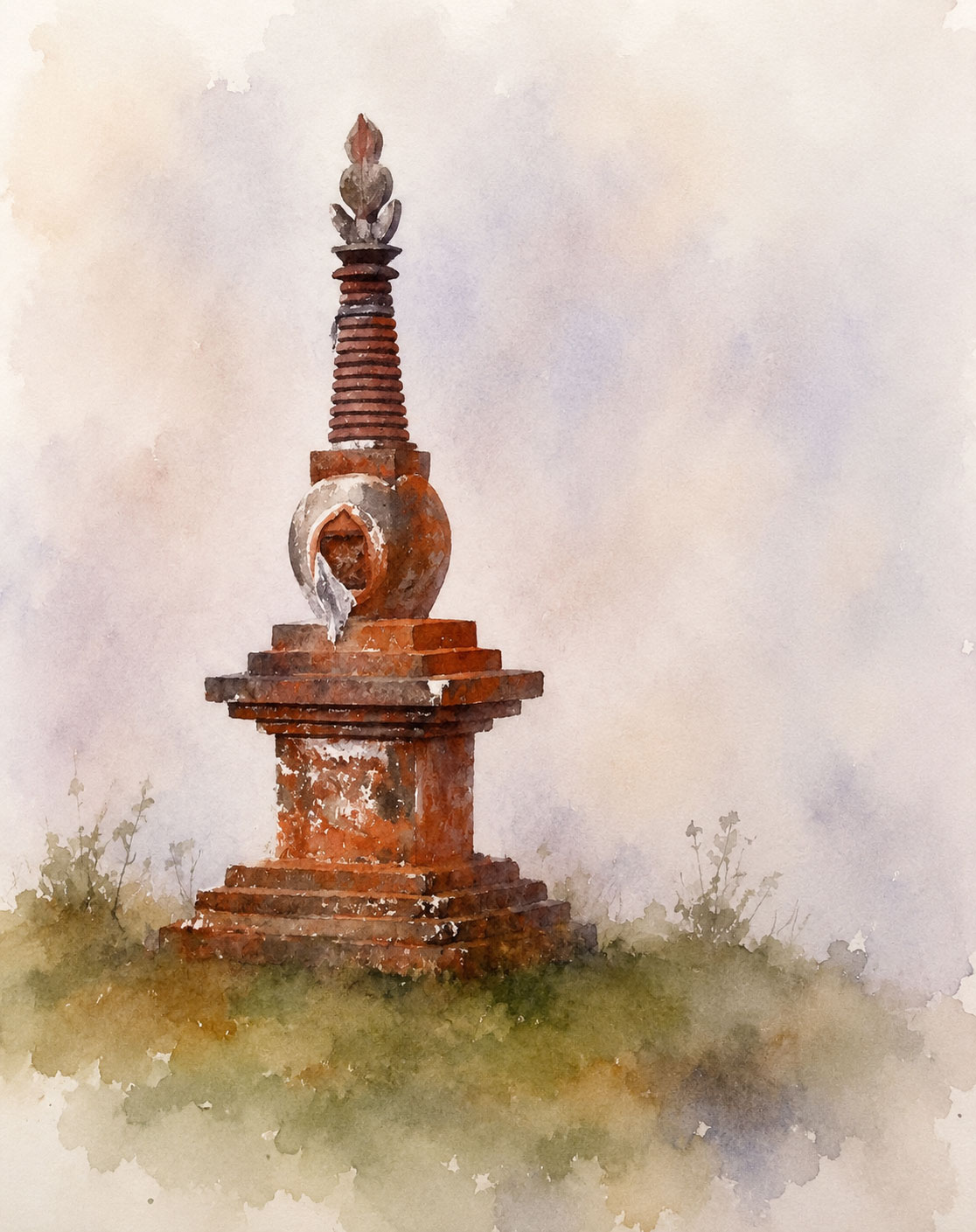
The hills of the Eastern Himalayas have witnessed the rise and fall of kingdoms, the movement of traders and communities, the expansion of British influence and the formation of the region we know today. Their history is not confined to dates, treaties and political boundaries. It is also reflected in old settlements, mountain routes, monasteries, colonial buildings and the cultural connections that continue across borders. Explore the events and encounters that shaped Darjeeling, Kalimpong, Sikkim and the neighbouring Himalayan landscapes.

A village, a river or a hill may appear familiar until we begin to ask how it acquired its name, what happened there or why it matters to the people who live nearby. Local legends, literary associations, historical events and traditional knowledge often reveal a different side of the landscape. These stories explore the places of the Eastern Himalayas through their histories, names and associations, helping you see beyond the scenery and understand something of their deeper character.
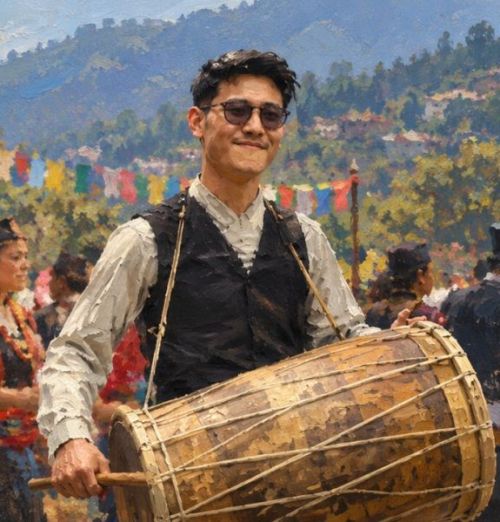
The Eastern Himalayas are home to diverse communities, each with its own languages, customs, traditions and ways of understanding the world. Lepcha, Bhutia, Nepali and many other cultural influences have contributed to the region’s identity, while migration and changing times have continually shaped local life. Through stories about people, their traditions, beliefs, livelihoods and personal histories, discover the human experiences that make these mountains more than a landscape.
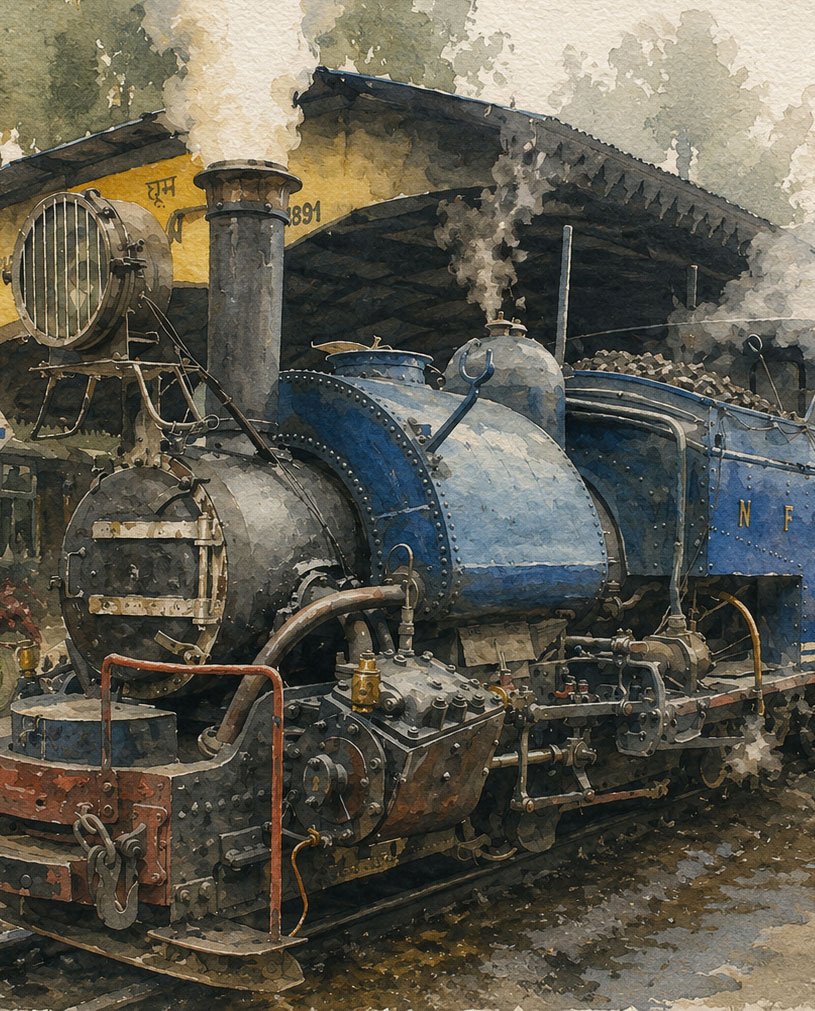
The narrow-gauge railway winding its way through Darjeeling’s hills is much more than a means of transport. Its construction, engineering, stations, locomotives and journeys tell the story of a remarkable period in the development of the hill station and its connections with the plains. From the challenges of building a railway through steep mountain terrain to the lives of those who worked and travelled along it, explore the heritage of the Darjeeling Himalayan Railway and the place it continues to hold in the region’s history.
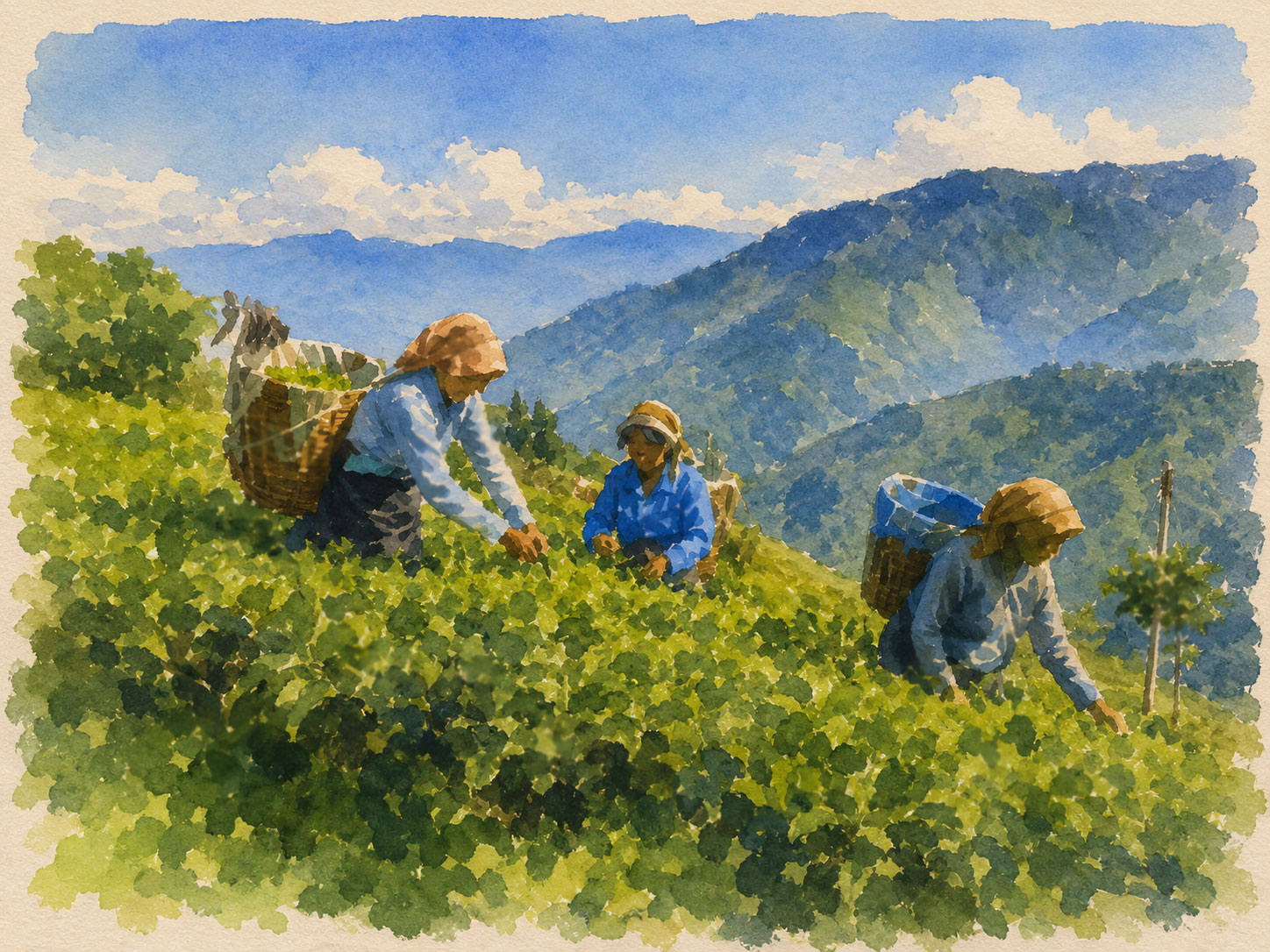
The tea gardens that cover the slopes around Darjeeling are inseparable from the region’s identity, yet the story of Darjeeling tea extends well beyond the cup. It encompasses the introduction and development of tea cultivation, the growth of the estates, the knowledge and labour of generations of workers, and the distinctive conditions that influence the character of the tea. Explore the landscapes, people, traditions and changing fortunes behind one of the world’s best-known teas, and discover how a plant became so closely associated with a place.