The Terrain: Mountain Biking in the Eastern Himalayas
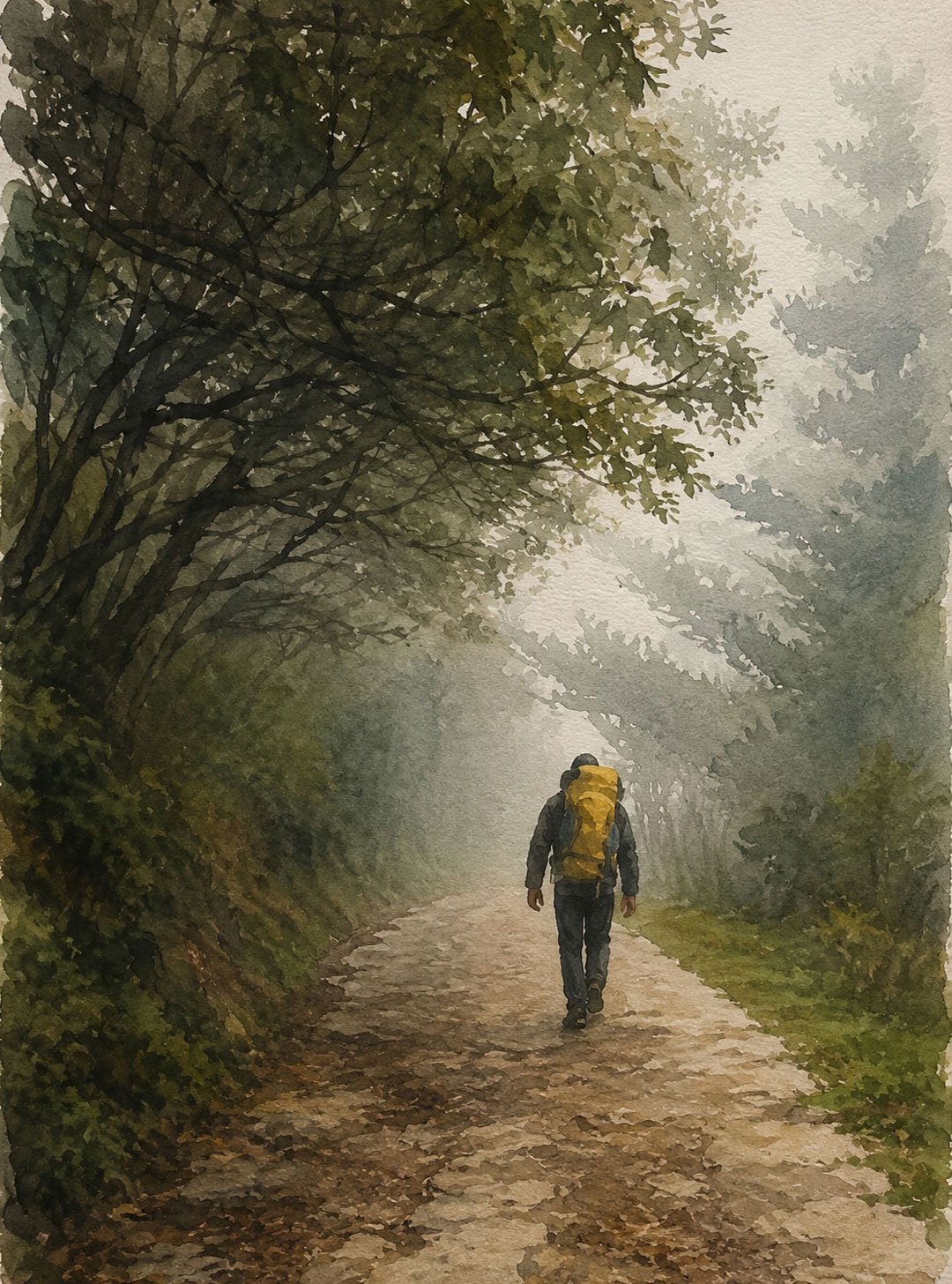
Mountain biking in the Darjeeling–Sikkim region is different from riding in destinations with purpose-built cycling trails. There are no separate mountain biking trails here. We use the existing network of mountain roads, village tracks, forest roads and plantation roads, sharing many of these routes with other vehicles.
We try to avoid busy mountain roads wherever possible. Instead, we plan our journeys through rural and less-travelled routes, where vehicle movement is generally lighter and the surroundings offer more to see. These roads take us through tea gardens, forests, villages, waterfalls and river valleys, giving riders an opportunity to explore the hills beyond the usual tourist routes.
Our cycling journeys often begin in the plains of the Terai and Dooars before gradually climbing into the Darjeeling and Sikkim hills. Depending on the itinerary, they may reach high-altitude destinations at 4,000 metres or more. The change in landscape and altitude is one of the distinctive features of cycling in this part of the Himalayas.
Different Types of Terrain
Mountain Roads
A large part of mountain biking in the region takes place on existing paved roads. These connect towns, villages and smaller settlements across the hills. Although the surfaces are generally suitable for regular bicycles, the gradients can make riding physically demanding.
Since these are public roads, cyclists share them with local traffic, including cars, jeeps, buses and trucks. Narrow sections, bends and steep descents require attention and good bicycle control. Our route planning gives preference to quieter roads and avoids busy stretches as far as possible.
Gravel Roads and Rural Tracks
Gravel roads and unpaved tracks are common in rural areas. These may connect villages, agricultural land and smaller settlements. The surface can vary from compacted earth to loose stones and rough gravel. Riding conditions depend on rainfall, maintenance and the amount of local traffic.
These routes are often an enjoyable part of a cycling journey, taking riders away from the main roads and into less-visited parts of the hills.
Forest Roads and Trails
Some routes pass through forested areas, using existing forest roads and tracks. These sections can be uneven, with exposed roots, stones, mud and occasional steep gradients. Access to certain forest areas may be restricted and should be checked before planning a ride.
Tea Garden Roads
The tea-growing areas of Darjeeling and Kurseong have internal estate roads and tracks connecting different parts of the plantations. These offer a distinctive cycling experience through cultivated hillsides and tea-growing settlements. Access to private estate roads needs to be arranged in advance.
High-Altitude Mountain Roads
Higher parts of Sikkim and the Himalayas offer a different kind of riding. Roads can be exposed, steep and remote, with changing weather and limited facilities. At altitudes of 4,000 metres and above, the reduced oxygen level adds to the physical demands. Road conditions may also be affected by landslides, snow and maintenance work.
Climbs and Descents
Climbing is an important part of cycling in the Eastern Himalayas. Even routes covering moderate distances can involve substantial elevation gain. Riders should be prepared for sustained uphill sections rather than relying only on daily distance as a measure of difficulty.
Descents can be long and steep, with sharp bends and variable road surfaces. Good braking control and the ability to handle a bicycle confidently downhill are important. Loose gravel, wet roads and other vehicles can make some descents particularly challenging.
Different Styles of Mountain Biking
The terrain in the region supports several types of cycling:
Mountain road cycling: Riding on paved mountain roads, with regular climbs and descents.
Cross-country riding: A mixture of climbing, descending and riding across varied terrain, often using rural roads and unpaved tracks.
Mixed-surface cycling: Combining paved roads, gravel sections and village tracks within the same journey.
Trail riding: Riding on narrower and rougher tracks where access and local conditions permit.
Most of our organised journeys involve a combination of mountain road cycling and mixed-surface riding rather than dedicated downhill or technical mountain biking trails.
The Changing Landscape
One attraction of cycling in this region is the variety of landscapes you encounter along the way. A journey may begin in the warmer plains of the Terai or Dooars, pass through tea gardens and forested hills, and gradually climb towards the higher mountains of Sikkim.
Depending on the route, riders may pass waterfalls, cross rivers, travel through small villages and experience considerable changes in vegetation and climate. Some journeys reach high-altitude destinations above 4,000 metres, offering a very different riding environment from the lower hills.
What Riders Should Be Prepared For
Sharing public roads with other vehicles, as there are no dedicated mountain biking trails in the region.
Regular climbing and descending.
Changing road surfaces within a single ride.
Narrow roads and occasional interaction with local traffic.
Wet and slippery conditions during and after rain.
Altitude changes and the physical demands of high-mountain riding.
Limited facilities and mechanical support in remote areas.
The difficulty of a route depends on more than its distance. Elevation gain, surface conditions, altitude, weather and the rider’s experience all need to be considered when planning a journey.
Riding in the Eastern Himalayas
Mountain biking here is about exploring an existing network of mountain roads and rural tracks rather than following a dedicated trail system. We plan our journeys to make the most of quieter routes, varied landscapes and the opportunity to experience the region beyond its main tourist centres.
From the plains of the Terai and Dooars to the tea gardens, forests, river valleys and high mountains of Darjeeling and Sikkim, the terrain gives each cycling journey its own character.