Heritage Walks in Darjeeling
Darjeeling is much more than a hill town with a famous view of Kanchenjunga. Its streets, old buildings, churches, monasteries, railway, shops and quiet lanes tell the story of a place shaped by many different communities and historical periods.
The town began developing as a British hill station in the nineteenth century and soon became a centre of tea, trade, education, administration and mountain exploration. Over time, Nepali, Tibetan, Bhutia, Lepcha, Bengali and other communities added their own traditions and stories to the town. The result is a cultural landscape that cannot be understood from its best-known landmarks alone.
Our Heritage Walks in Darjeeling explore this history on foot. Walking lets us move beyond the obvious sights and notice the buildings, streets, people, and details that are easy to miss from a vehicle.
Each walk has a different character. One follows the principal landmarks of the old hill station; another looks at the lesser-known people and stories behind Darjeeling’s past; another brings together the town’s colonial heritage with its Buddhist and Himalayan traditions.
These are private, guided walks designed for travellers who would like to understand Darjeeling rather than simply see it.
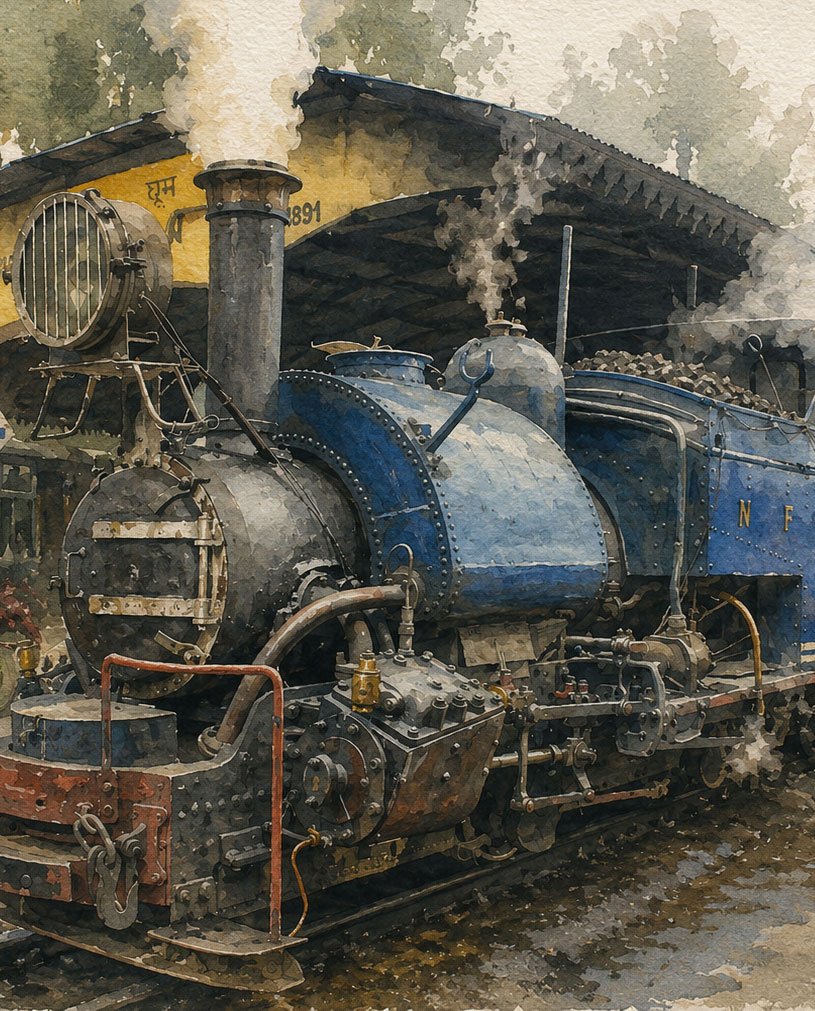
Darjeeling’s principal heritage landmarks, brought together in one walk.
This walk follows the historic heart of Darjeeling, beginning around the Darjeeling Himalayan Railway and continuing through the Mall and the older streets of the town towards Observatory Hill. Along the way, the buildings and landmarks reveal how Darjeeling developed from a nineteenth-century British hill station into the diverse Himalayan town it is today.
The walk includes the Darjeeling Himalayan Railway station, old public buildings, churches, clubs, historic shops, colonial hotels and other places associated with the town’s social and cultural life. There are also stories of tea planters, missionaries, photographers, traders, politicians and the families who made Darjeeling their home.
Rather than simply identifying old buildings, the walk looks at why they were built, who used them and what they tell us about Darjeeling.
It is a good introduction for anyone visiting Darjeeling for the first time, as well as for travellers who want to look beyond the familiar tourist landmarks.
Private | 3.5–4 hours | Approximately 3.5 km | Moderate – Code KW01
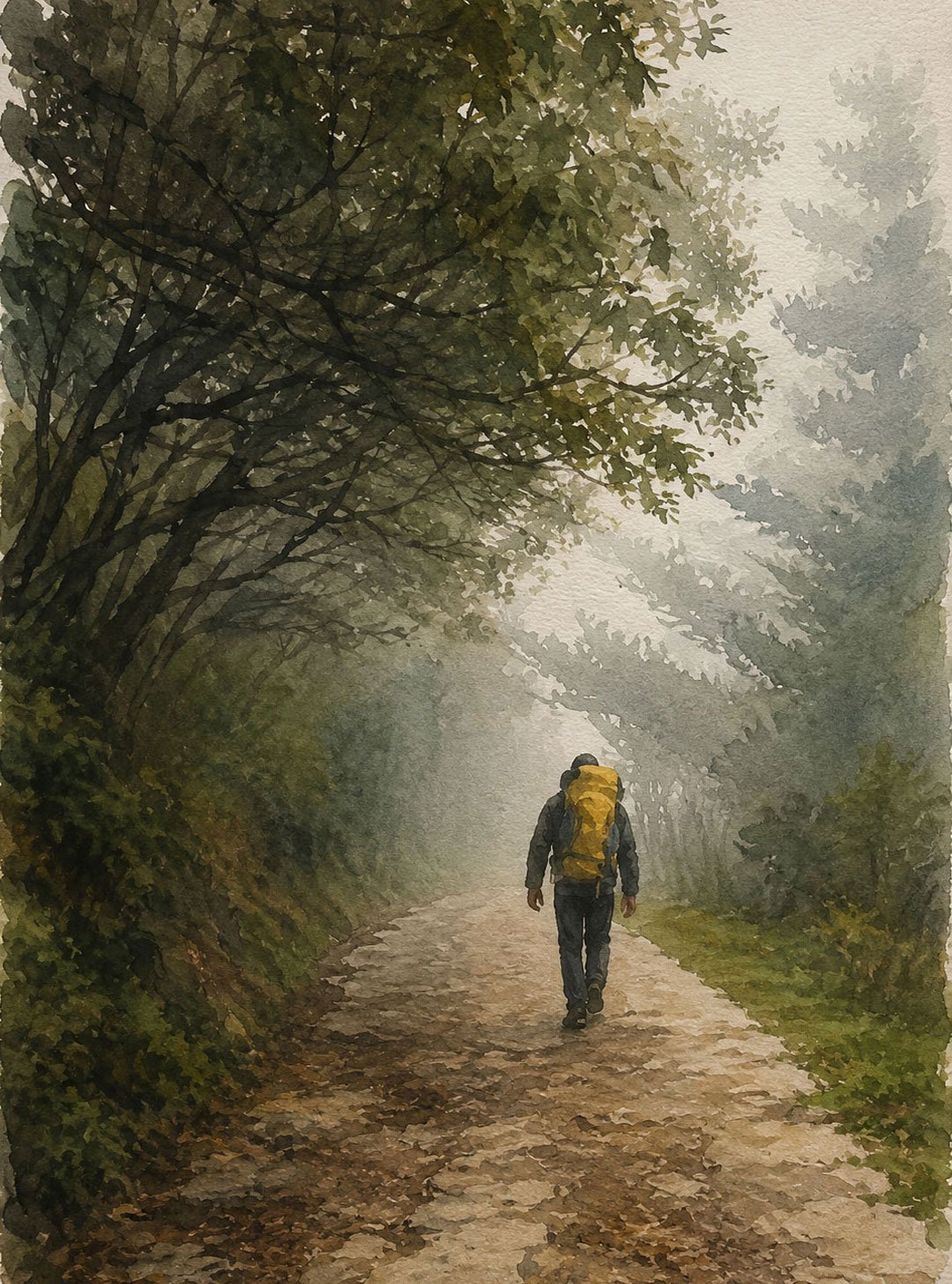
A quieter journey into the people and stories behind Darjeeling’s familiar streets.
Darjeeling’s history is not only found in grand buildings and famous landmarks. Some of its most interesting stories belong to the people who lived, worked and died here — missionaries, merchants, mountaineers, botanists, politicians, soldiers and ordinary residents whose names have gradually disappeared from everyday memory.
Beginning around Chowrasta and continuing towards the Old Cemetery, this walk explores some of those lesser-known stories. Along the way are places associated with Chittaranjan Das, Mahatma Gandhi, Sir Joseph Dalton Hooker, George W. Aylmer Lloyd, Alexander Csoma de Kőrös, Nawang Gombu and other figures connected with Darjeeling.
The route also passes historic shops, hotels, churches and government buildings, but the emphasis is on the people behind the places.
It is a walk for travellers who enjoy history when it is told through individuals, personal stories and small details rather than through dates and monuments alone.
Private | Approximately 2 hours | About 2.3 km | Easy – Code KW02
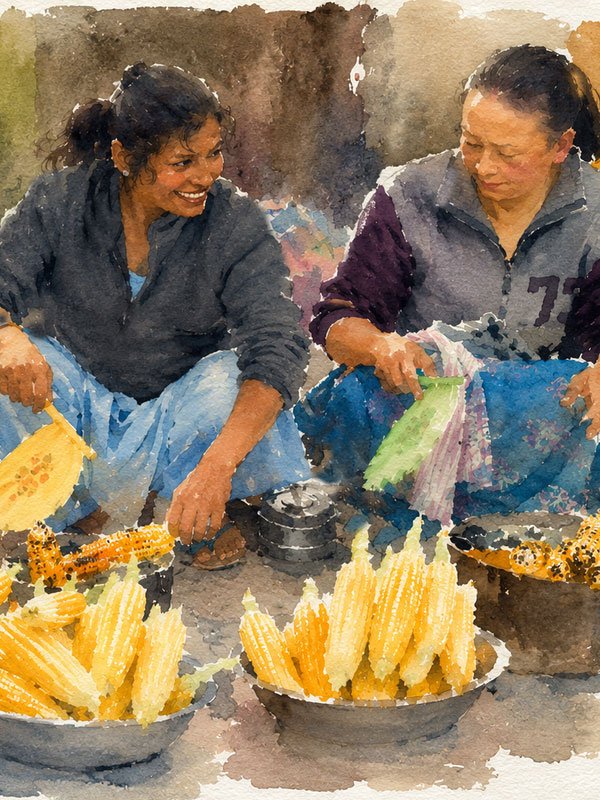
From the colonial hill station to the Buddhist and Himalayan traditions of Darjeeling.
Darjeeling’s heritage is not confined to its British-era buildings. The town’s identity was also shaped by the Himalayan communities who lived here, by Tibetan Buddhism, by migration from the surrounding mountains and by the cultural connections between Darjeeling, Sikkim, Tibet and Nepal.
This walk brings these different layers together.
Starting around Chowrasta, the route can include Observatory Hill and Mahakal, the former site of a Buddhist monastery; Step Aside, associated with Chittaranjan Das; and the historic Bhutia Busty Monastery. Depending on your interests and the time available, the experience can be extended to the Tibetan Refugee Self-Help Centre or the Himalayan Mountaineering Institute and Padmaja Naidu Himalayan Zoological Park.
The result is a different perspective on Darjeeling — one that moves from the colonial town centre into its Buddhist, Tibetan and Himalayan cultural landscape.
The walk is particularly suitable for travellers who want to understand how the different communities and traditions of the hills have contributed to the Darjeeling of today.
Private | Walking-based | Customisable route and duration – Code KW03