Best Time for Sandakphu Trek
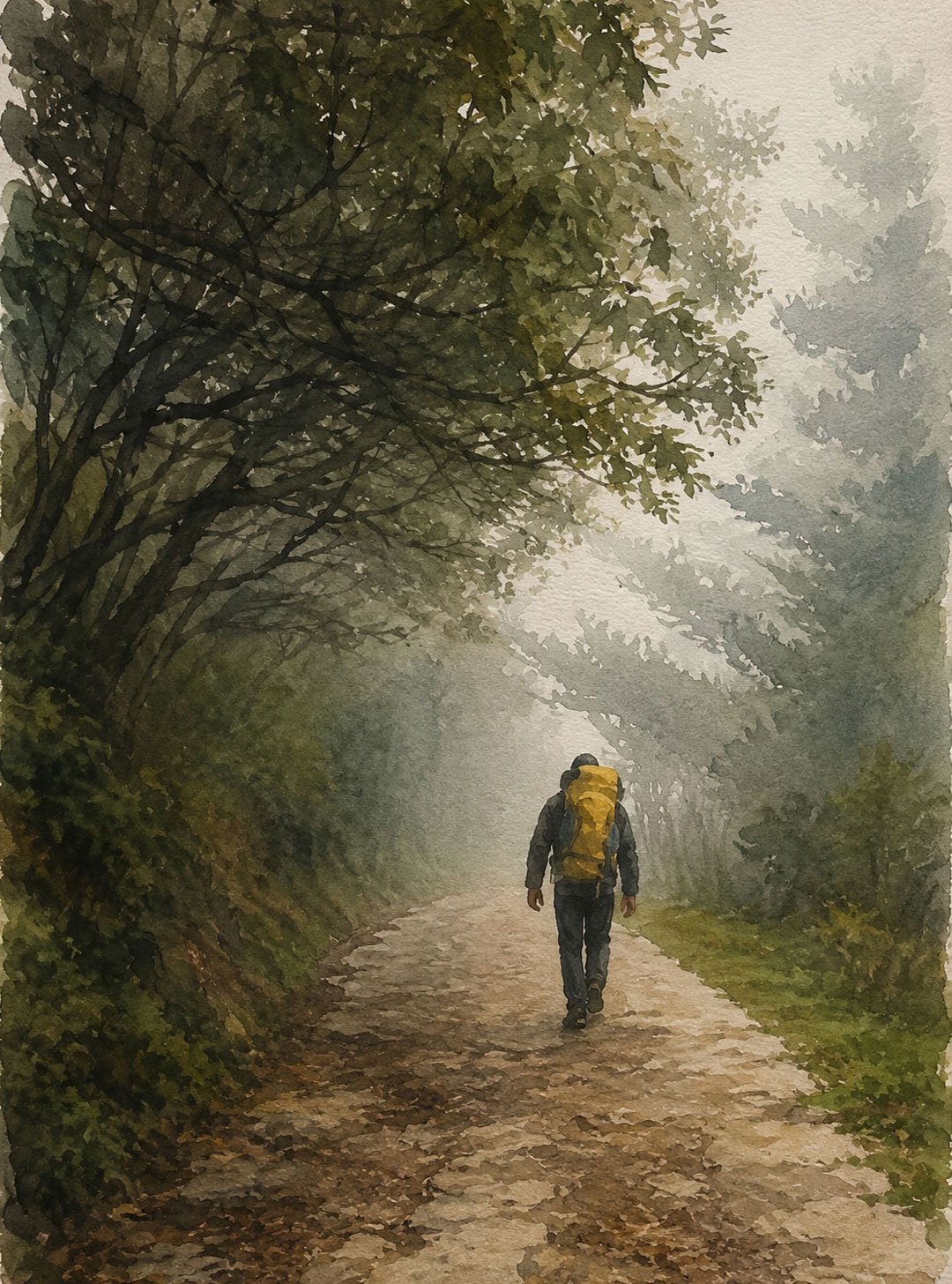
Sandakphu can be visited in different seasons, but the experience changes considerably throughout the year. Spring brings flowering forests, autumn is known for clearer mountain views, and winter offers a colder, quieter mountain landscape.
The most suitable time depends on what you want from the trek. Weather, visibility, temperature and trail conditions all influence the experience.
Spring: March to May
Spring is one of the most attractive periods to walk through the Singalila Ridge. The forests begin to come alive with seasonal growth, and rhododendrons flower across different sections of the trail.
Flowering times vary with altitude, species and weather conditions. As a result, the display is not uniform throughout the route or across the entire season.
Temperatures are generally more comfortable than in winter, although mornings and evenings can still be cold, particularly at higher elevations.
Spring is a good choice for walkers interested in forests, flowering plants and changing mountain landscapes.
Autumn: October to November
Autumn is widely regarded as one of the best periods for mountain views in the Sandakphu region. Following the monsoon, the atmosphere often becomes clearer, offering good opportunities to see the Himalayan mountain panorama.
The Kangchenjunga massif is the main attraction, with Everest, Lhotse and Makalu also visible from suitable viewpoints when conditions permit.
Days can be pleasant for walking, while temperatures drop considerably after sunset. Visibility is never guaranteed, and local weather can change quickly.
For visitors whose main interest is the mountain panorama, autumn is an excellent time to consider.
Winter: December to February
Winter brings colder conditions to the upper sections of the trail. Temperatures can fall sharply at night and early in the morning. Snowfall may occur, depending on the weather.
The landscape takes on a different character during this period. On clear days, the mountain views can be rewarding, but cold winds and low temperatures make preparation particularly important.
Walkers should be prepared for cold conditions and possible changes in trail conditions. Availability of accommodation and local transport should also be checked before travelling.
Winter is better suited to those who are comfortable with cold-weather walking and basic mountain accommodation.
Monsoon: June to September
The monsoon is generally not recommended for a conventional Sandakphu trek.
The region receives substantial rainfall during this period. Trails can become muddy and slippery, visibility is often poor, and cloud cover frequently obscures the mountain views.
Rain also makes walking conditions less predictable. Leeches and other difficulties associated with wet forest trails may add to the inconvenience.
For most visitors, it is better to plan the trek outside the monsoon months.
Which Season Should You Choose?
The following is a broad guide to help you decide:
| Your main interest | Suggested period |
|---|---|
| Rhododendrons and flowering forests | March–May |
| Clearer mountain views | October–November |
| Cold-weather mountain experience | December–February |
| Conventional trekking | Avoid June–September |
These are seasonal patterns rather than guarantees. Weather conditions vary from year to year, and the experience on any particular day depends on local conditions.
A Note on Mountain Weather
Sandakphu lies on an exposed section of the Singalila Ridge. Conditions can change quickly, even during the generally favourable trekking seasons.
A clear morning does not necessarily mean that the mountains will remain visible throughout the day. Cloud, wind, rain and temperature can change within a short period.
It is therefore worth allowing some flexibility in your travel plans rather than organising the entire journey around a single expected mountain-viewing opportunity.
For advice on choosing a suitable season and planning your Sandakphu trek:
Phone / WhatsApp: +91 9733000590