Culinary Walks in Darjeeling
Food is one of the easiest ways to understand Darjeeling.
The town’s cuisine reflects the people who have made the hills their home and the different periods of history through which Darjeeling has developed. Nepali, Tibetan, Bhutia and Lepcha food traditions sit alongside the influences of the old British hill station — its bakeries, bread, cakes, breakfasts, tea rooms and colonial hotels.
A walk through Darjeeling’s food culture therefore takes you beyond a list of dishes. It introduces you to the communities, ingredients, eating habits and historical influences that have shaped what people eat here today.
Our Culinary Walks in Darjeeling explore these different layers through two distinct experiences.
The Traditional Food Walk concentrates on the food traditions of the Himalayan communities of Darjeeling — the everyday dishes, fermented foods, snacks and flavours that belong to the hills.
The Continental Food & Bakery Walk looks at another side of Darjeeling: the influence of the colonial hill station and tea plantations, and the bakeries, breads, cakes, breakfasts, cafés and restaurants through which European-style food became part of the town’s identity.
Both walks are about more than eating. They are about understanding how Darjeeling came to taste the way it does.
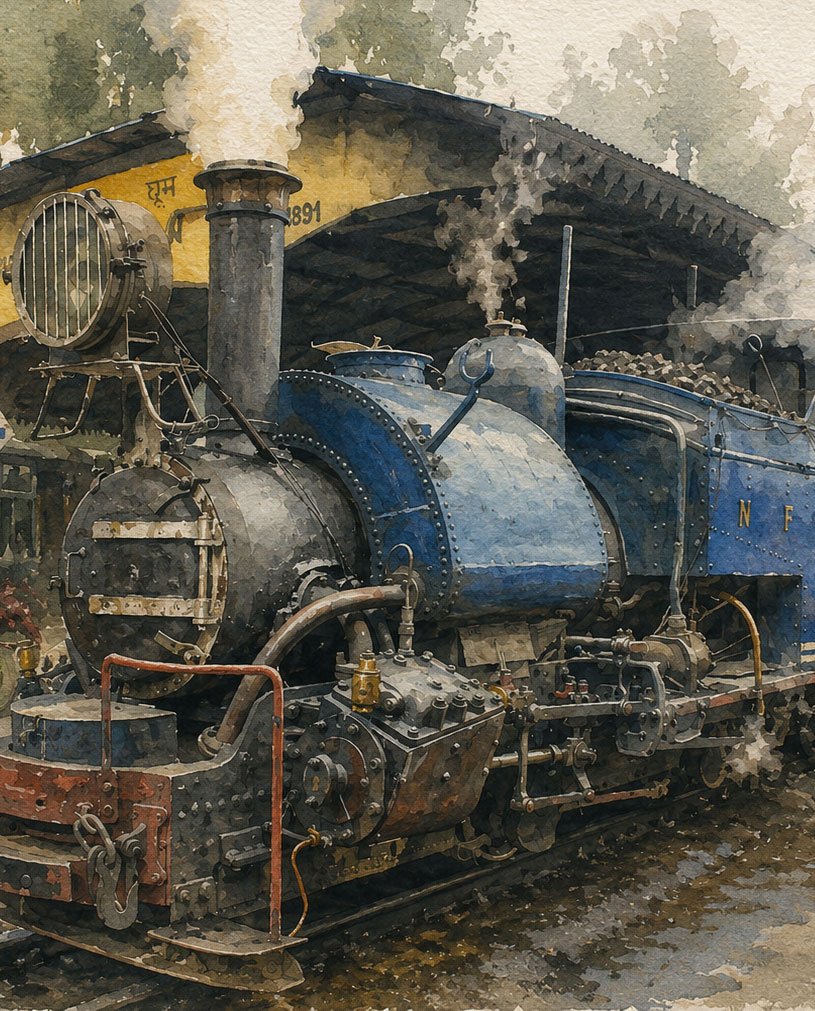
Discover the food traditions of the Himalayan communities of Darjeeling.
Darjeeling’s traditional food is closely connected with the people and landscapes of the hills. Nepali, Tibetan, Bhutia and Lepcha traditions have each contributed dishes, ingredients and methods of cooking that have become part of everyday life in the town.
This walk explores that food culture through the places where it is eaten and the stories behind it. Depending on the season and availability, you may encounter familiar favourites such as momo, thukpa and sel roti alongside less familiar foods, fermented preparations, local vegetables and other dishes associated with the Himalayan communities of the region.
The emphasis is not simply on tasting as many dishes as possible. It is on understanding where the food comes from, how it is prepared, who eats it and why certain foods remain important to the culture of the hills.
For travellers curious about Darjeeling beyond its colonial buildings and tea gardens, this is an opportunity to discover the town through its everyday food.
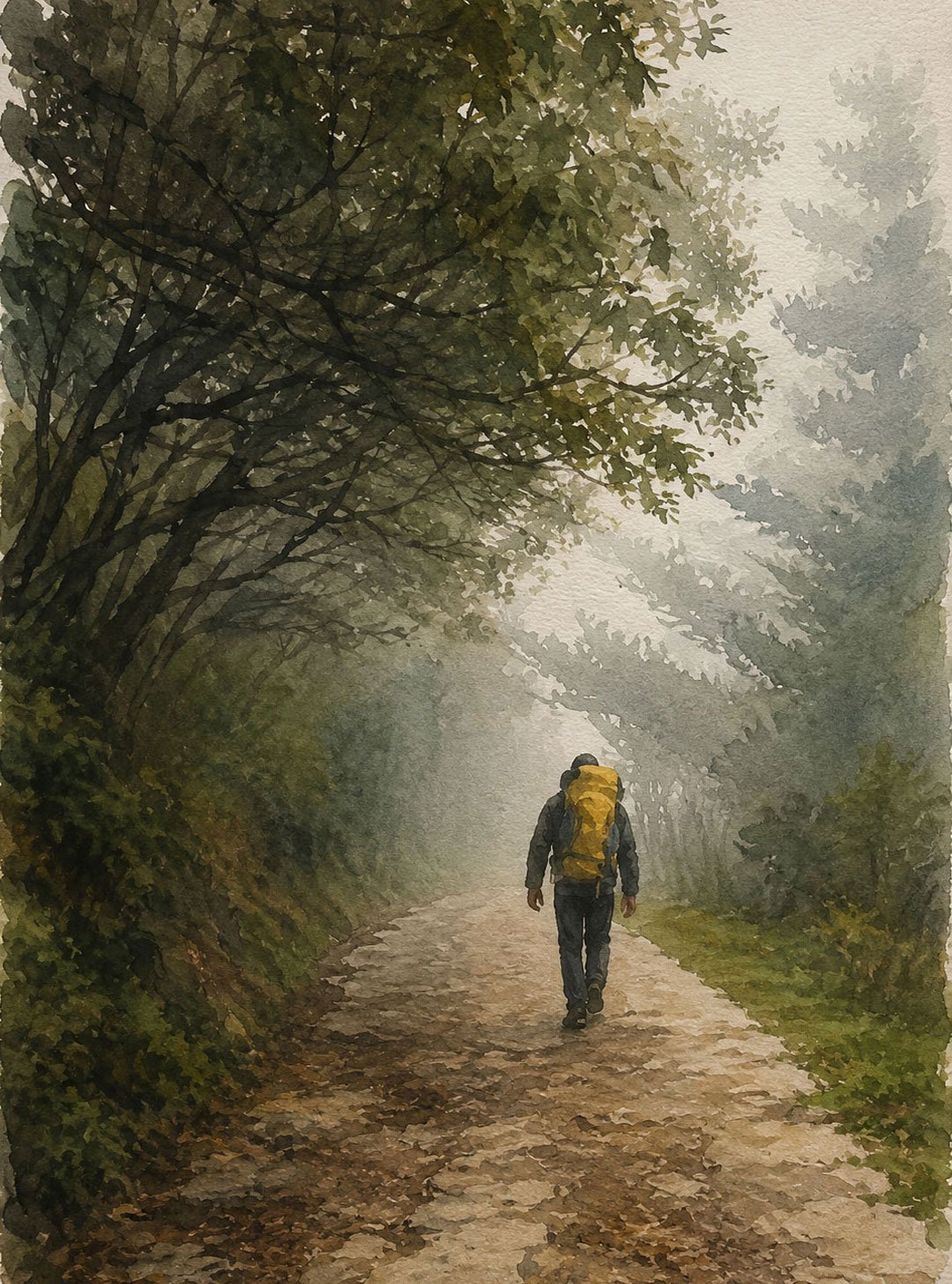
Explore the bakery, breakfast and café traditions that grew out of Darjeeling’s colonial past.
Darjeeling’s food story has another distinctive layer. As the town developed as a British hill station and the surrounding tea industry grew, European-style bread, cakes, breakfasts, meat preparations, tea rooms and dining traditions became part of everyday life.
Some of these traditions survive in the town’s old bakeries, cafés, restaurants and hotels. Places associated with Darjeeling’s historic food culture have continued to serve generations of residents and visitors, while newer cafés have adapted the tradition to contemporary tastes.
This walk explores that side of Darjeeling through its bread, cakes, breakfast, tea and Continental-style food, while looking at the history that brought these traditions to the hills and the ways in which they gradually became part of Darjeeling’s own food culture.
It is not simply a bakery-hopping experience. It is a way of understanding how a colonial-era food tradition was absorbed, adapted and eventually became one of the recognisable layers of Darjeeling’s identity.