Beyond Darjeeling
There is much more to discover in the Eastern Himalayas than the familiar streets and viewpoints of Darjeeling town. Beyond the hill station lie forested ridges, remote villages, high mountain trails, tea estates and landscapes that change with every turn of the road. Sikkim and the hills of Darjeeling and Kalimpong offer countless opportunities to explore the region at a slower pace, whether through a walk along a mountain trail, a morning spent looking for birds, a stay in a working tea garden or a journey into its layered cultural heritage. Beyond Darjeeling brings together experiences that take you further into these landscapes, inviting you to discover not just where to go, but what makes each place worth exploring.

Sikkim’s mountain trails lead through forests, traditional villages, alpine meadows and high-altitude landscapes, offering experiences that range from gentle day hikes to demanding multi-day treks. Walk through settlements where local traditions remain closely connected with the mountains, follow paths beneath forested ridges or venture towards the higher reaches of the Himalayas. Our Sikkim hiking experiences explore the region on foot, with routes suited to different levels of fitness, interests and available time. Each journey offers a different perspective on the landscapes and communities of this remarkable Himalayan state.
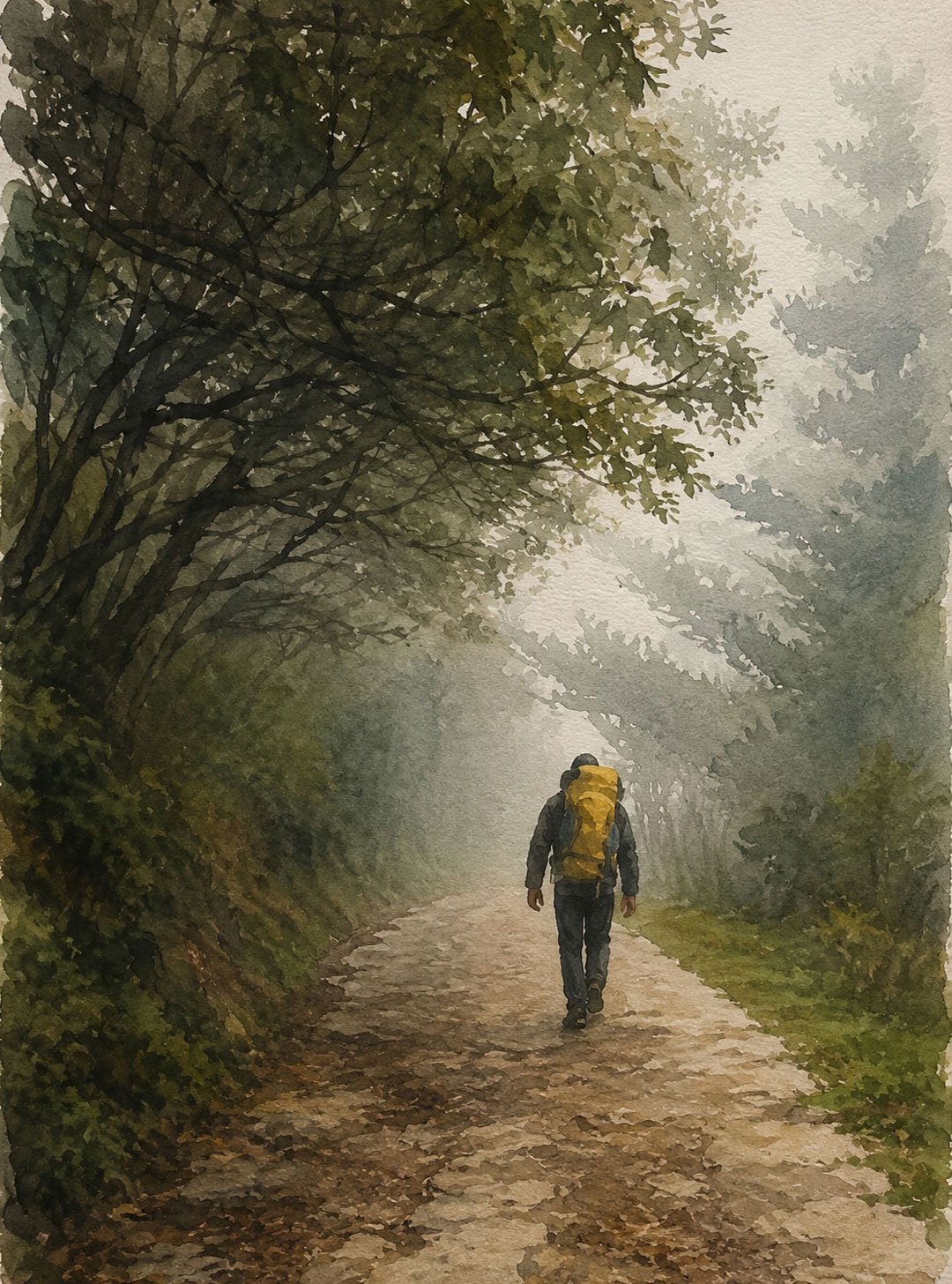
The hills of Darjeeling and Kalimpong are made for exploration on foot. Trails wind through forests, cross open ridges and connect villages scattered across the mountainsides. From the celebrated Sandakphu trek, with its far-reaching mountain views, to quieter walks through the forests and countryside, these journeys reveal the changing character of the Eastern Himalayas. Along the way, there are opportunities to observe local flora, encounter birds and other wildlife, photograph the landscape and experience the everyday life of mountain communities. The emphasis is on discovering the natural world at walking pace, rather than simply reaching a viewpoint.

The varied elevations and habitats of Darjeeling, Kalimpong and Sikkim support a remarkable diversity of birdlife. Subtropical forests, temperate woodlands, bamboo thickets and higher mountain habitats each attract different species, including resident birds and seasonal visitors. Our birding experiences take you to suitable habitats at the right times of day and year, with opportunities to look for Himalayan specialities as well as the less conspicuous birds of the forest understorey. Patient observation and knowledge of local habitats are central to these journeys. Sightings can never be guaranteed, but travelling with experienced local guidance can greatly enrich the experience of finding and understanding birds in their natural surroundings.

Tea gardens are among the defining landscapes of the Darjeeling hills, but their character is best understood by spending time within them. A stay on a tea estate offers an opportunity to experience the countryside beyond the usual tourist routes, surrounded by cultivated slopes, forest patches, village paths and changing mountain light. Depending on the estate and season, you may be able to learn about tea cultivation and processing, walk through the gardens, observe the rhythms of estate life or simply enjoy the quieter pace of the hills. These stays bring together landscape, local livelihoods and the long history of Darjeeling tea, offering a more intimate way to experience the region.
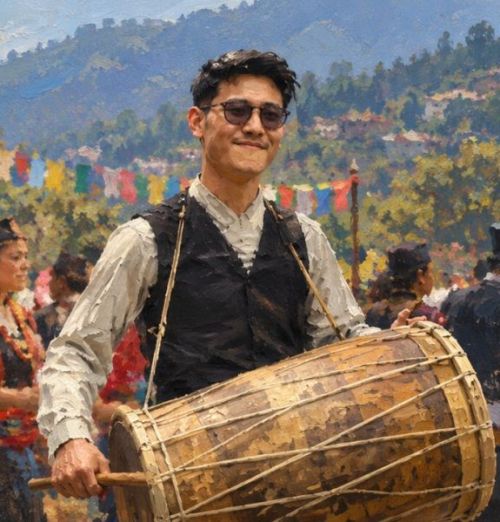
The heritage of the Eastern Himalayas extends well beyond colonial buildings and old hill stations. It includes monasteries and sacred sites, Indigenous traditions, historic settlements, traditional architecture, local markets, oral histories and the cultural practices through which communities maintain their identity. Our heritage walks explore these different layers of the region, from the British-era legacy of Darjeeling to the deeper cultural histories of the Lepcha people and other Himalayan communities. Walking through a place, observing its details and listening to the stories of those who know it can reveal connections that are easily missed when travelling by vehicle. These experiences invite you to understand the region through its people, its past and the traditions that continue to shape its present.