Darjeeling Tea: History, Gardens and Tourism
Darjeeling tea is closely connected with the history, landscape and people of the Eastern Himalayas. Grown on the steep slopes of the Darjeeling hills, its distinctive character comes from a combination of altitude, climate, soil, tea varieties and traditional methods of cultivation and processing. Over nearly two centuries, tea has shaped the region’s economy, settlements and cultural life, leaving behind a landscape of tea gardens, colonial-era bungalows and close-knit plantation communities. Today, these gardens offer more than an opportunity to understand one of the world’s best-known teas. They also provide a setting for walking, heritage exploration, village encounters and slower forms of travel. Explore the stories behind Darjeeling tea, the people who produce it and the experiences that make its tea-growing landscape worth discovering.
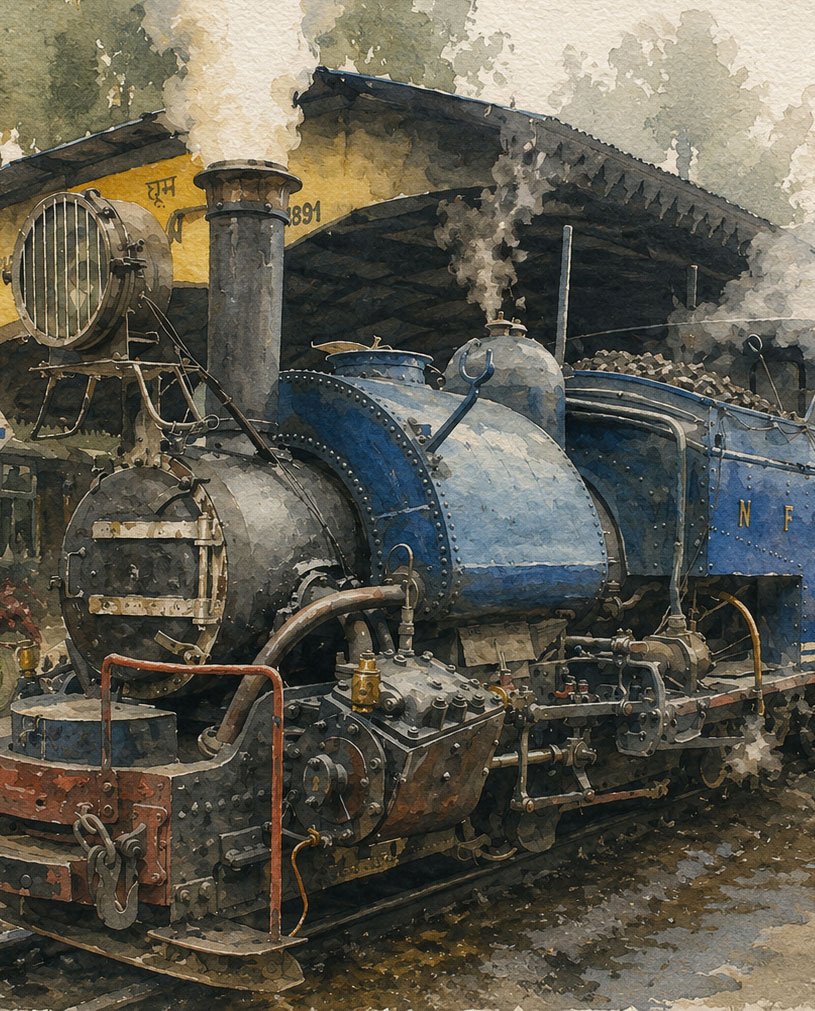
A visit to a Darjeeling tea garden can be much more than a factory tour or a tea-tasting session. Walking through the plantations, observing the work of tea pluckers, learning about processing and sampling teas from different gardens offer a closer understanding of the region’s tea culture. Some estates also provide accommodation in heritage bungalows, while others offer village stays and more contemporary plantation experiences. This page explores how tea tourism developed in Darjeeling, the experiences available to visitors and the broad range of costs involved in planning a stay or visit.
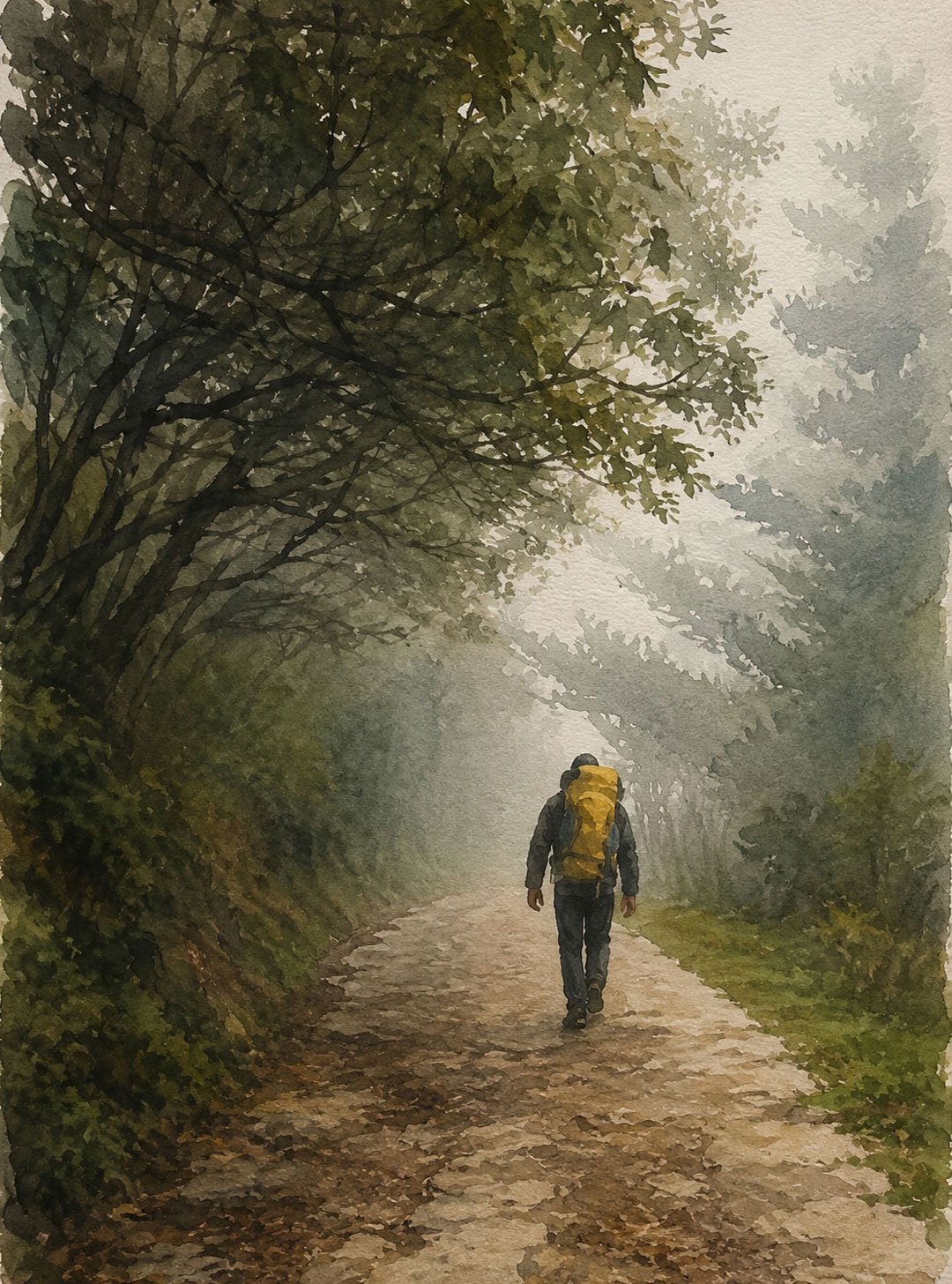
Tea tourism in the Eastern Himalayas takes different forms, from stays in historic plantation bungalows to contemporary retreats set within working tea estates. The Darjeeling hills offer opportunities to experience the old planter’s world, explore tea-growing villages and spend time among the gardens. Sikkim’s Temi Tea Estate and the tea gardens of the Dooars provide further perspectives on the region’s tea culture. This page introduces some of the notable destinations and properties where visitors can experience tea landscapes, plantation heritage and the everyday life of tea-growing communities.
The story of Darjeeling tea began with experimental cultivation in the mid-nineteenth century and gradually developed into an industry that transformed the hills. From the early initiatives associated with Dr Archibald Campbell to the establishment and expansion of commercial tea gardens, the industry brought significant changes to the region’s economy, landscape and population. This page traces the growth of Darjeeling tea, the people and enterprises involved in its development, and the journey that eventually established its reputation in international markets.
The character of Darjeeling tea is shaped not only by where it grows but also by how its leaves are processed. From plucking and withering to rolling, oxidation, drying and sorting, each stage influences the appearance, aroma and flavour of the finished tea. Different processing approaches produce black, green, white and oolong teas, each with its own characteristics. This page explains the principal stages of tea manufacture and the methods used to produce different types of Darjeeling tea, offering an insight into the skill and judgement involved in turning fresh leaves into a finished product.
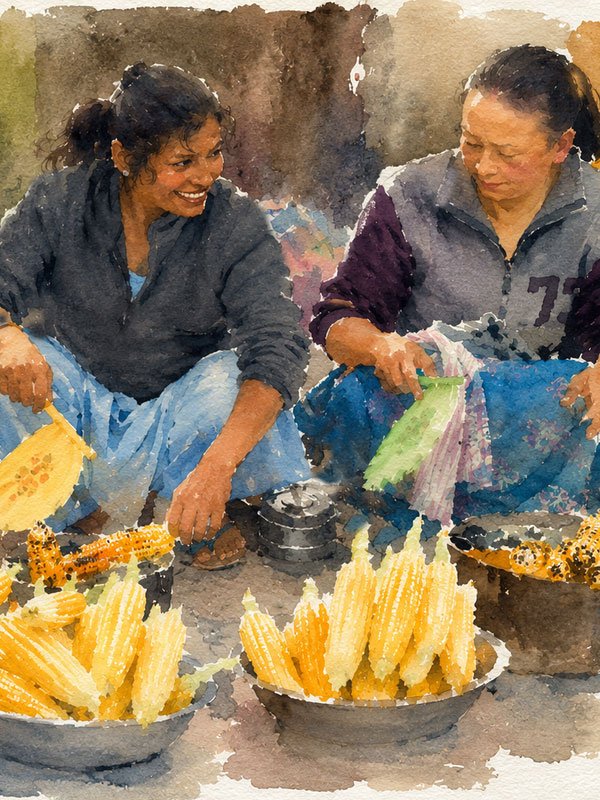
Darjeeling tea changes with the seasons. The term ‘flush’ refers to the periods of new leaf growth and harvesting during the year, with each season producing teas that can differ in appearance, aroma and taste. First Flush teas are generally known for their fresh and delicate character, while Second Flush teas are often fuller and may develop the distinctive muscatel notes associated with Darjeeling. Monsoon and Autumn Flush teas have their own characteristics, influenced by changing weather and growing conditions. This page explores the four principal flushes and explains how seasonal changes shape the teas produced in the gardens.
The tea gardens of Darjeeling are spread across a varied mountain landscape, with estates differing in elevation, history, size, location and character. Some are known for their historic importance, others for distinctive teas, long-established cultivation practices or the experiences they offer visitors. Together, they form an important part of the region’s identity and heritage. This page introduces twenty notable Darjeeling tea gardens, looking at their histories, locations, cultivation areas and other features that distinguish them from one another.
Behind every cup of Darjeeling tea is the work of the people who tend the bushes and harvest the leaves. The tea-growing communities of the hills have developed over generations, shaped by migration, plantation life and the changing fortunes of the industry. The labour lines, family traditions, festivals and everyday routines of these communities form an important part of Darjeeling’s social history. This page looks at the life of tea pluckers, the origins of plantation communities, the world of the colonial-era planters and the changes taking place in tea garden society today.