Darjeeling Himalayan Railway
The Darjeeling Himalayan Railway, popularly known as the Toy Train, is one of the most distinctive features of the Darjeeling hills. Built in the late nineteenth century, this narrow-gauge railway connects the Himalayan foothills with the hill town of Darjeeling, winding through forests, tea gardens, mountain settlements and busy bazaars along the way. Its remarkable engineering, historic locomotives and close relationship with the landscape earned it UNESCO World Heritage recognition. More than a means of transport, the railway is part of Darjeeling’s history and identity. Exploring its story offers a fascinating way to understand how the hills developed and how the railway continues to shape the region.
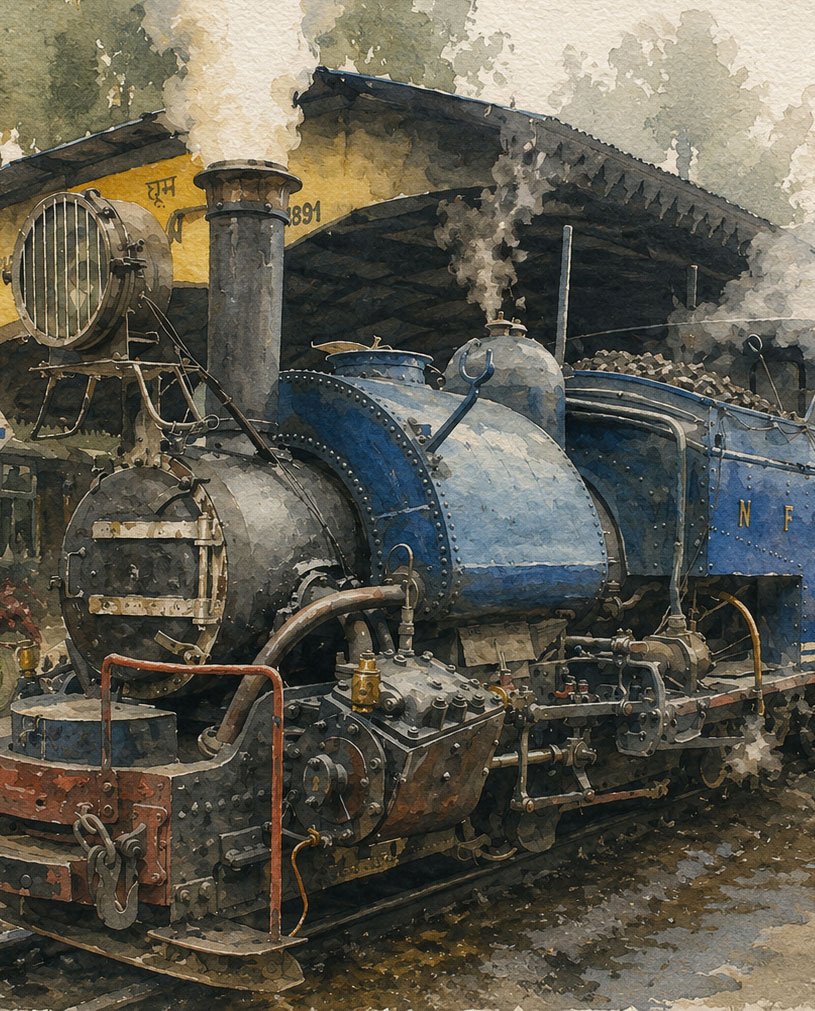
The Darjeeling Himalayan Railway was built to connect the growing hill station of Darjeeling with the plains, making the movement of passengers and goods easier. Construction began in 1879, and the line reached Darjeeling in 1881. Its development involved remarkable engineering solutions to negotiate steep gradients and difficult mountain terrain. This story explores the railway’s origins, the challenges of its construction, its contribution to Darjeeling’s growth and the changes that have shaped its journey from a practical transport link to one of India’s most recognised heritage railways.
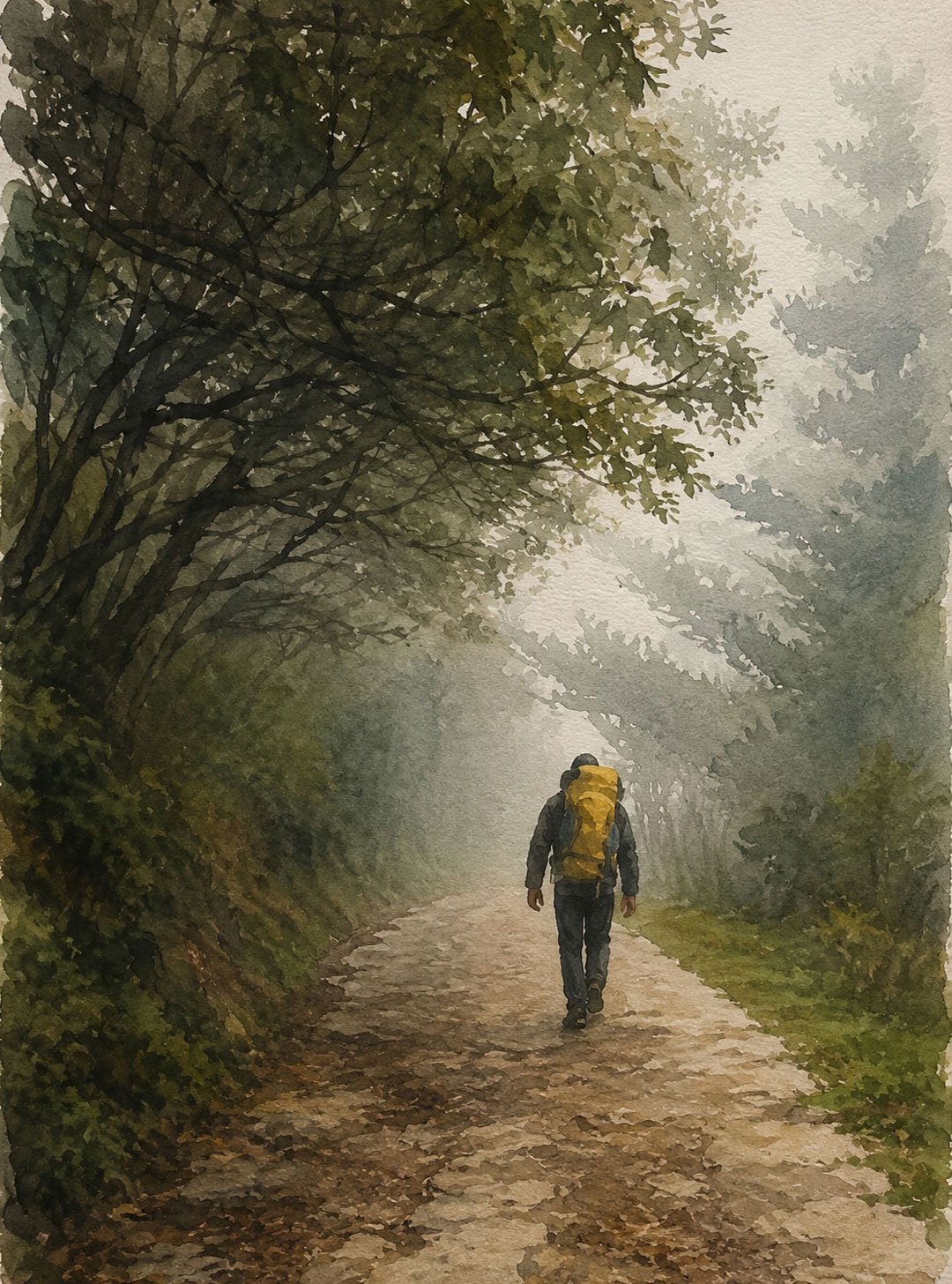
The stations along the Darjeeling Himalayan Railway are closely connected with the changing landscapes and settlements of the hills. From Sukna, where the railway begins its climb through the foothills, to Tindharia, Kurseong, Sonada, Ghum and Darjeeling, each station has its own character and place in the railway’s history. Some are associated with engineering and maintenance, while others reflect the growth of hill towns and the everyday life of communities along the route. Exploring these stations offers a different perspective on the railway, beyond the familiar experience of travelling on the Toy Train.
The Toy Train can be experienced in many ways beyond taking a ride. Some locations offer views of the locomotive moving through dramatic mountain scenery, while others reveal its close relationship with roads, settlements and everyday life in the hills. From the famous curve at Batasia Loop and the historic station at Ghum to the busy streets of Kurseong and the forested stretches around the lower foothills, this guide explores some of the most interesting places to watch and photograph the Darjeeling Himalayan Railway. It also considers what makes each location distinctive for visitors and railway enthusiasts.
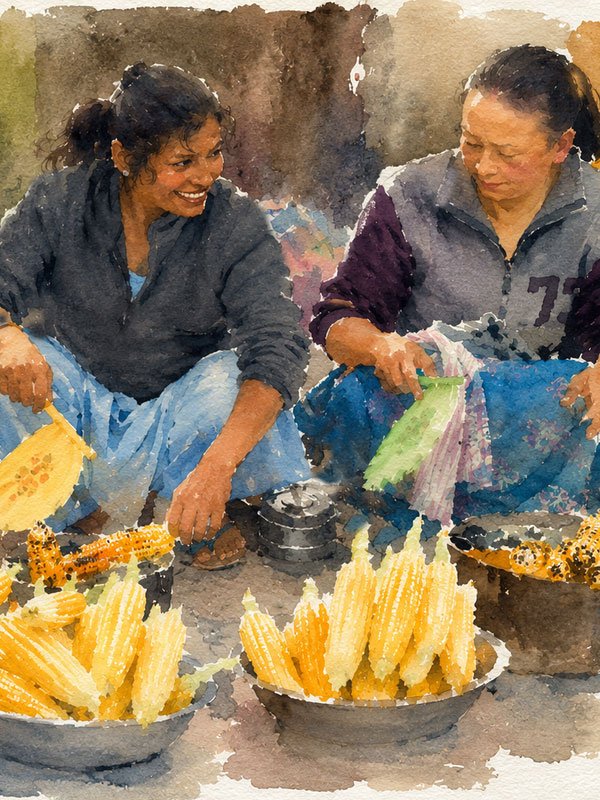
Batasia Loop is among the most recognisable landmarks of the Darjeeling Himalayan Railway. Situated between Ghum and Darjeeling, this remarkable railway curve was designed to help the Toy Train negotiate the change in elevation along the mountain route. Today, its landscaped grounds, the Gorkha War Memorial and views towards the Himalayan range make it a popular place to visit. But behind the familiar photographs lies an interesting story of railway engineering and the challenges of building a railway through steep terrain. Discover why the loop was constructed, how it works and how it became an important part of Darjeeling’s railway heritage.
Situated high in the Darjeeling hills, Ghum is the highest station on the Darjeeling Himalayan Railway and an important destination for anyone interested in the Toy Train. The station marks the highest point of the railway’s climb before the line descends towards Darjeeling. Its mountain setting, railway heritage and museum offer an opportunity to look more closely at the history and working life of the line. Ghum is also closely associated with the popular Toy Train journey that includes Batasia Loop. This story explores the station, its significance and the railway heritage that makes Ghum much more than a brief stop along the route.