Places and their Stories
Places are more than points on a map. Every village, river, hill and settlement has a story shaped by the people who lived there, the landscape around them and the events that changed their lives. Some stories survive in old books and historical records; others are preserved in local legends, family memories, traditions and the names we use every day. Through these stories, we can look beyond familiar views and discover the deeper character of the Eastern Himalayas.
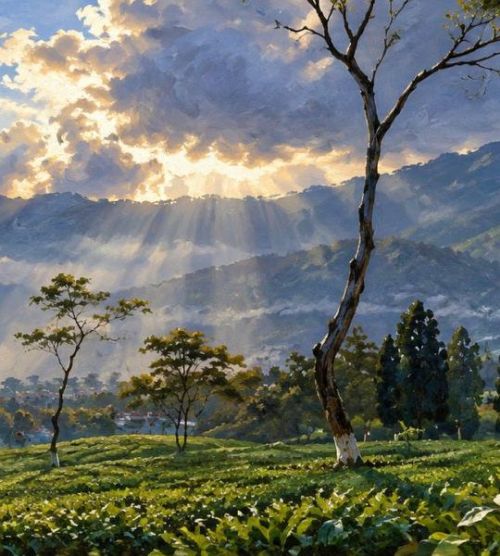
The Story of a Place and a Book
Discover the story behind the name Rungli Rungliot and its association with a local legend about the Teesta River. The place also holds a literary connection with the English writer Rumer Godden, who lived in the nearby tea estate of Chinglam during the Second World War. Her book Rungli-Rungliot, later published as Thus Far and No Further, offers a vivid account of life in these hills, their changing seasons, the people who inhabited them and a world very different from the one we know today. Read the story of a place where local folklore, literature and the landscape come together.
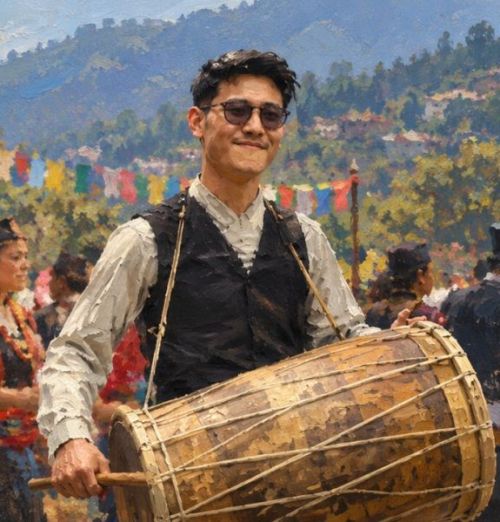
Stories Hidden in the Landscape
Panbu, Yangmakum, Samthar, Mazeok and Relli may appear to be ordinary names on a map, but their traditional interpretations offer glimpses into the relationship between the Lepcha people and their ancestral homeland, Mayel Lyang. From a hill concealed behind another hill to a river described by the movement of its water, these names reflect a way of understanding the landscape through close observation and everyday life. Explore how place names preserve fragments of cultural memory and why they matter when we try to understand the hills beyond their scenery.